


Every once in a while, another legendary Japanese game producer pops up, ready to try his luck independently after being disappointed or cast aside by one of Japan’s major publishers. Hideo Kojima is obviously the most famous and outspoken example, but he is certainly not alone.
Following in his footsteps, we’ve seen the likes of Koji Igarashi (Bloodstained series), Yu Suzuki (Shenmue 3 and Air Twister), Yoshitaka Murayama (Eyuiden series) and soundtrack legend turned game producer Yuzo Koshiro (Earthion) venture into independent game development. Most of them turned to Kickstarter to get their projects off the ground, hoping to carve out a niche for themselves outside the traditional publishing system.
Hiroyuki Kotani is another name we can add to that list. As one of the game designers at Sony’s Japan Studio, he helped give the PSP its own identity during the mid-2000s. His creation, Patapon, was never a smash hit, but it certainly deserves to be considered one of Sony’s handheld defining games.
After parting ways with Sony and spending more than a decade out of the spotlight, Kotani has returned through a highly successful Kickstarter campaign with a spiritual successor to his earlier work: Ratatan.
Marching to a Familiar Beat
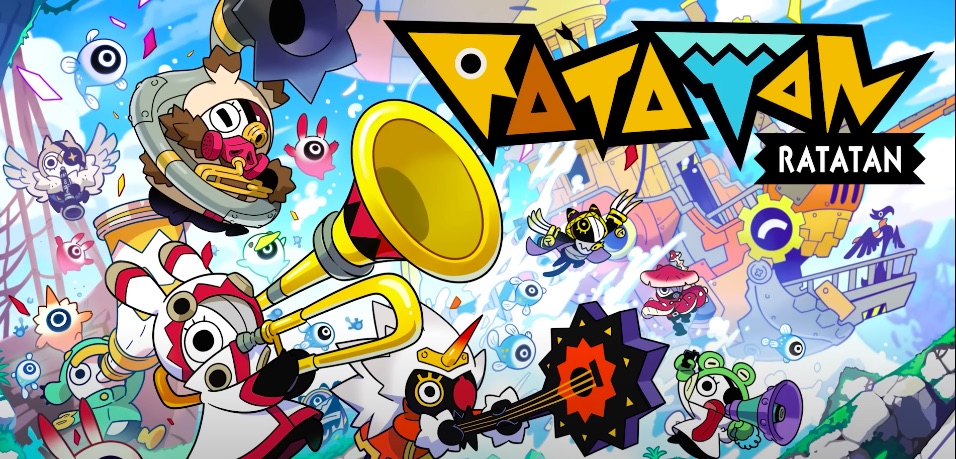
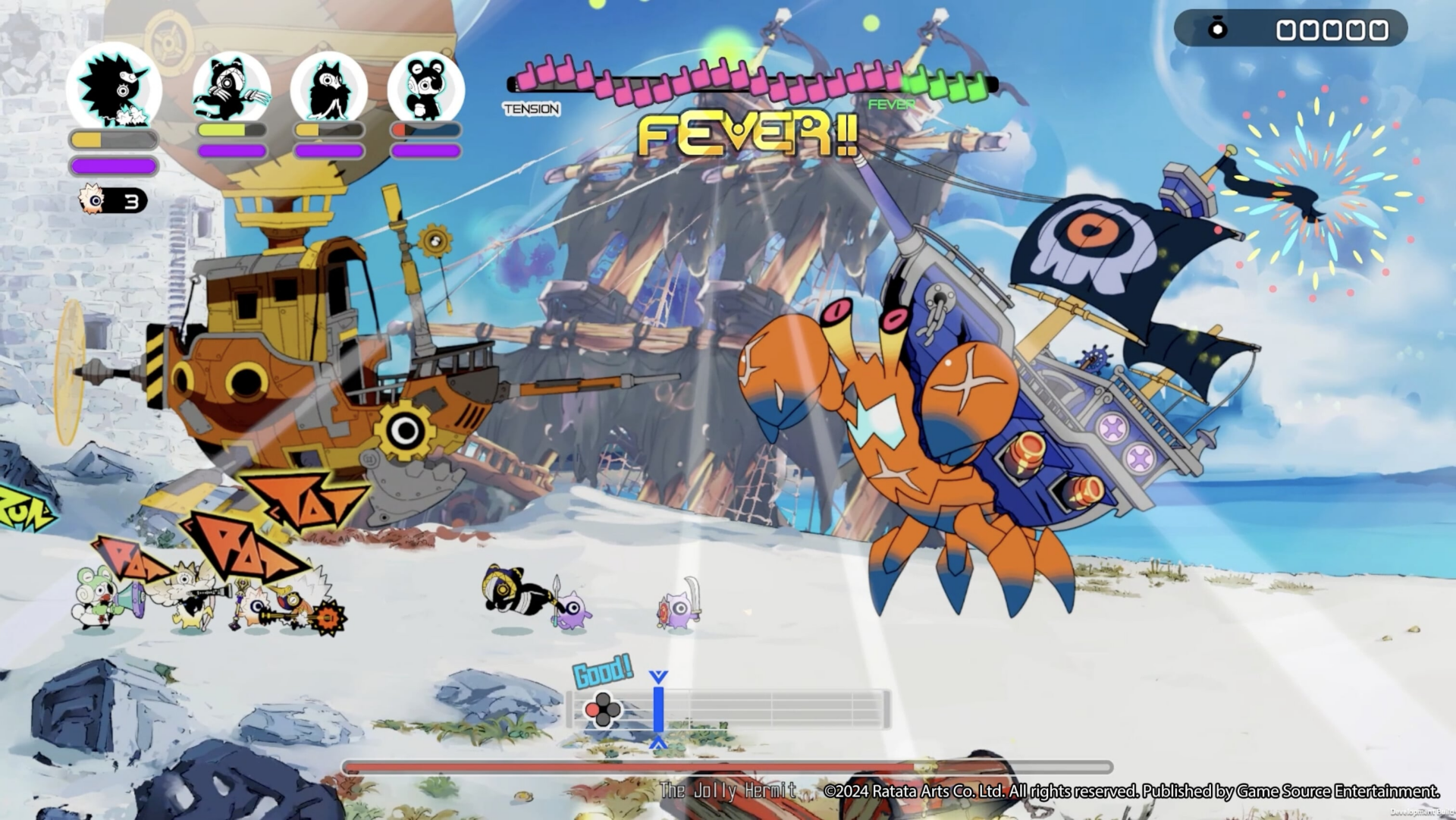
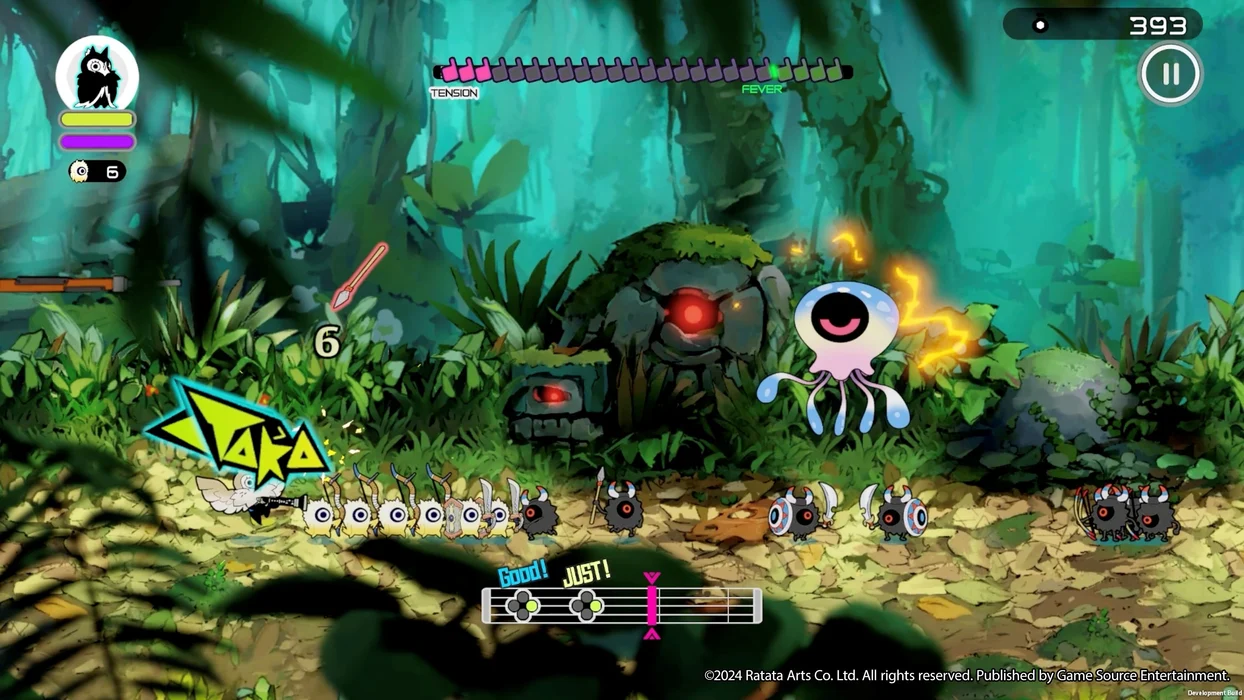
For the most part, Ratatan follows the path Kotani already paved with Patapon. Taking control of one of eight Ratatans, you command a small army of Cobuns, adorable one-eyed little creatures that look like cuddly toys but have a surprisingly violent streak.
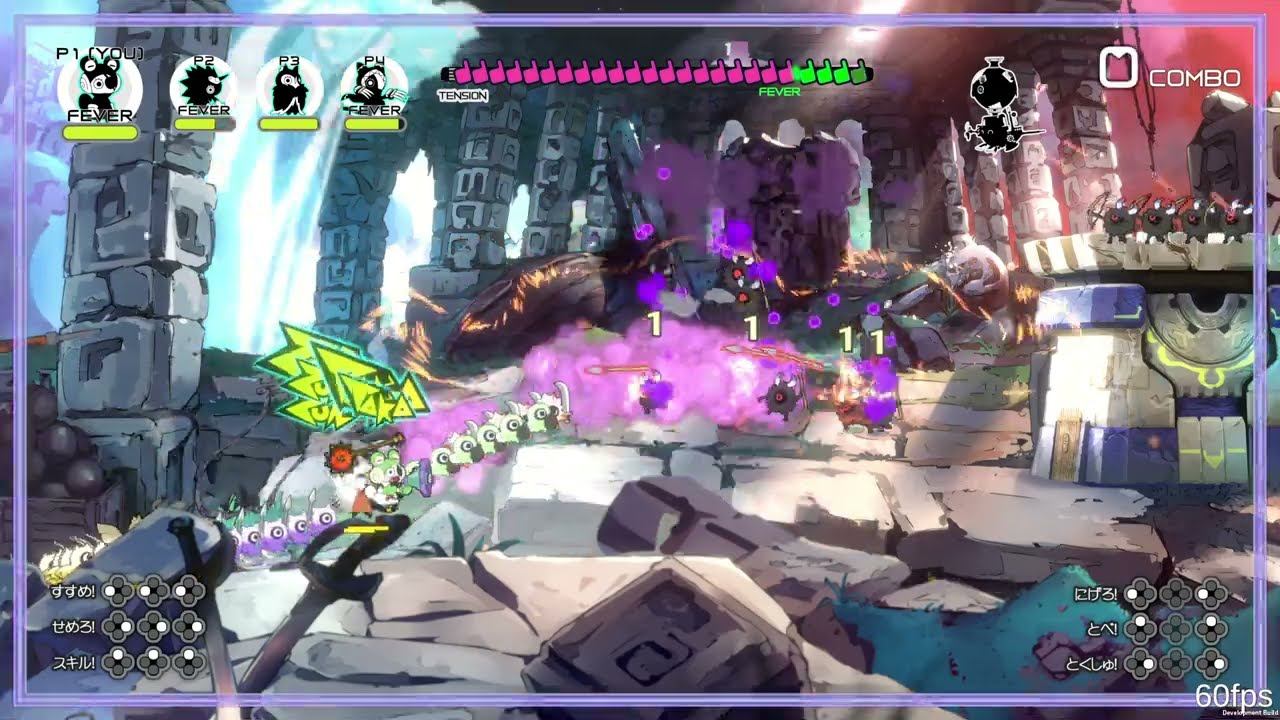
As their marching commander, it’s your job to get these cute little warriors into action by keeping the beat. By pressing specific button sequences in time with the music, you issue commands to your Cobuns. Keep up the rhythm and avoid making too many mistakes, and your little army will become increasingly worked up, marching into battle while casually shouting things like “Murder!” and “Kill, kill!”
Your ultimate objective is to rid five worlds of evil, taking on enormous creatures and their equally evil Cobun-like minions along the way.
You do this through fairly straightforward roguelite gameplay, something that seems to have become the new standard for Japanese indie game development. And despite these mechanics becoming almost painfully predictable, the combination of relatively fast progression during the opening hours, fantastic hand-drawn visuals and infectious rhythm-based marching works surprisingly well.
Too Much Grind, Too Little Variety
During the first few hours, you’ll unlock plenty of power-ups and weapons, all of which can be upgraded, along with your individual Cobuns and the Ratatan itself. There’s a steady stream of new things to unlock, giving you plenty of reasons to jump straight into another run.
However, once you’ve defeated the third boss, Ratatan suddenly turns into a rather brutal grind to overcome the remaining two. What initially felt like a rewarding progression system becomes an exercise in repeatedly completing side missions to unlock much-needed upgrades. Particularly frustrating is the fact that even the freedom to choose your Cobuns’ classes is locked behind this progression.
And things don’t necessarily improve once you’ve liberated all five worlds and watched the credits roll. The post-game content introduces additional bosses in those same worlds, demanding what could be an even bigger grind.
So, what exactly does all this time investment reward you with? Not an awful lot, unfortunately.
Throughout the entire game, you’re stuck with essentially the same handful of chants. The different Ratatans provide some variation, with certain characters having access to an additional heavy attack, but that’s about as far as the gameplay variety goes.
For a game that expects you to spend so much time marching, fighting and repeating the same actions, there’s surprisingly little depth to keep things interesting in the marching bits.
A Little, Too Much
Ultimately, Ratatan relies heavily on its charm, and there’s certainly plenty of that to go around. The first eight to ten hours are genuinely entertaining and, to some extent, even addictive, thanks to the relatively high rate at which you unlock new things. But once that initial momentum wears off, the gears of progression start grinding to a halt.
I suspect most fans of Kotani-san’s earlier work would have been perfectly happy with a tightly paced, twelve-hour experience. Instead, Ratatan demands more than twice that amount of time to see it through to the end.
The problem is that its relatively limited gameplay mechanics simply don’t offer enough depth to remain engaging for that long.
Ratatan has the looks, the charm and certainly the rhythm to make a great game. It’s just a shame that it doesn’t seem to know when to stop marching.
Ratatan gets off to a flying start with catchy tunes, lovable little murderers and a hefty layer of meta-progression to sink your teeth into. However, after more than ten hours of marching through the same five worlds, the game turns into a brutal grind. While the gameplay remains entertaining, there's simply not enough depth in its Patapon gameplay mechanics to keep you hooked all the way to the bitter end. That doesn't take away from the fact that the first ten hours are an absolute blast.
