

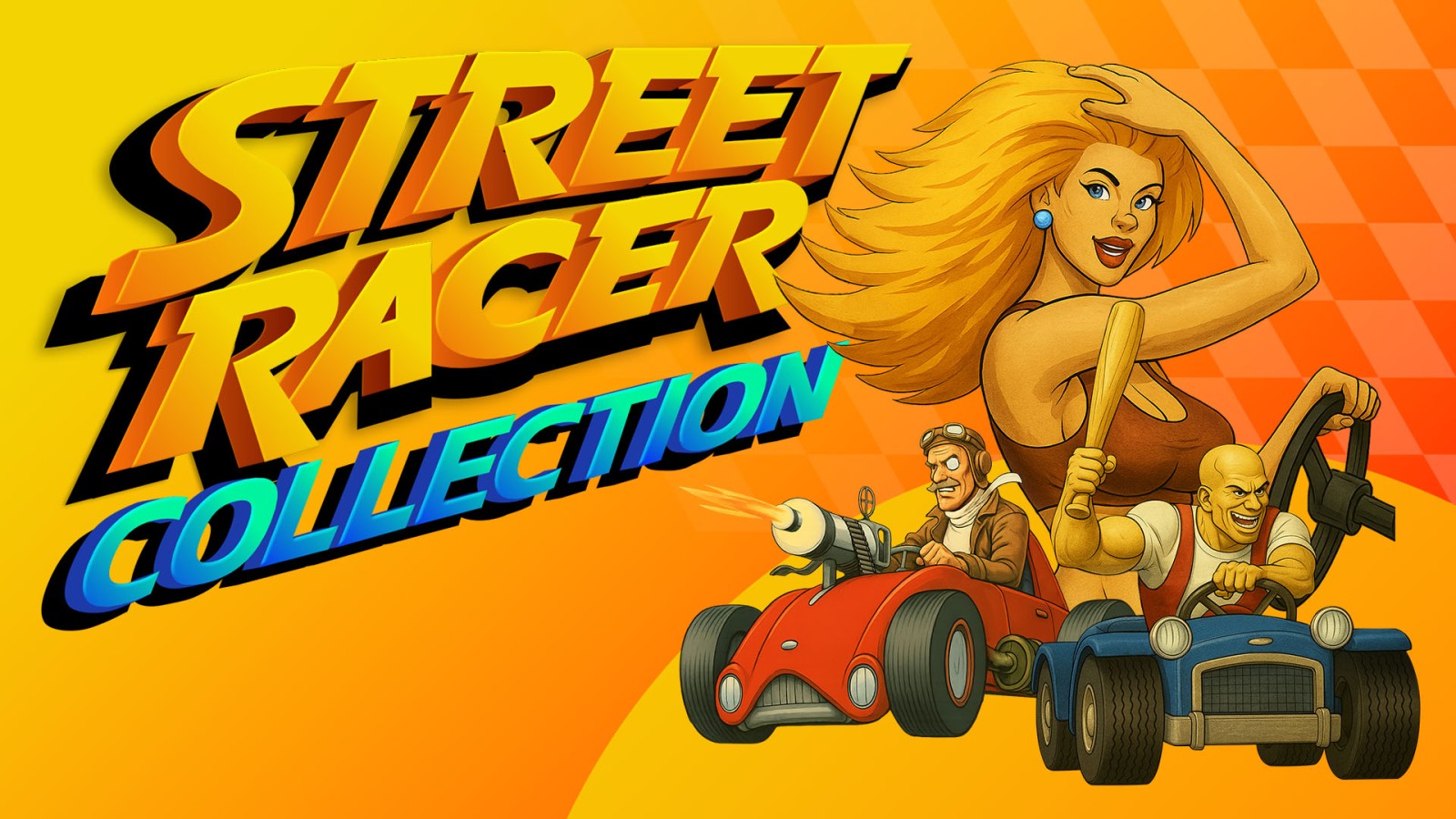

For many players, Street Racer is little more than a generic Mario Kart clone. For PC gamers in the 1990s, however, it was a genuinely enjoyable alternative and one of the stronger racers available on the platform at the time. I only discovered later that the PC, Saturn and PlayStation ports were effectively afterthoughts, released nearly two years after the original SNES and Mega Drive/Genesis versions. Despite that, they can reasonably be viewed as early remasters rather than straight conversions.
Now, QUByte Interactive brings together both the original releases and one of the later 32-bit versions in a single compilation. The result is a curated selection of the franchise’s many ports, now made available across modern platforms.
With “franchise” I really mean ports of the first and only Street Racer game developed by Vivid Image. Surprisingly, there has never been a follow-up to this well-reviewed kart racer. As said, this QUByte collection offers a selection of the available ports. Of the versions included here, I have played the PC and SNES editions extensively back in the day, while I also owned and spent quite a bit of time with the Saturn release, once I started collecting for the console. I’ve always had a soft spot for the game, its colorful and as some character to it as well. Across all its ports.
One game, several very different versions
Because, what becomes clear quite quickly is that there are several distinctly different interpretations of the same game. On one side, you have the PC, PS1 and Saturn versions, which use a rotating 3D track with sprite-based cars. On the other side are the 16-bit versions on SNES, Mega Drive and Amiga.
The SNES version is distinctively different from the Mega Drive and Amiga ports by using Mode 7 rather than a more conventional 16-bit arcade racing style. The Game Boy version, in contrast, is clearly based on the Mega Drive interpretation rather than the SNES one, albeit heavily scaled down to fit the hardware.
As a result, QUByte offers a surprisingly varied set of versions, consisting of the SNES, Mega Drive, DOS and Game Boy releases. With these four, all major variants of Street Racer are represented, each with a clearly different look and feel.
Street rules and world tour
Street Racer is a kart racer with a roster of drivers representing different parts of the world, taking you across global locations as you compete in the Street Racer Championship. These championships play by “street rules”, meaning the cars are equipped with gadgets that would never pass a real motorsport scrutineering process. On top of that, you are free to hit your opponents Road Rash-style, which can give you a decisive advantage if you manage to bump them into walls or roadside obstacles.
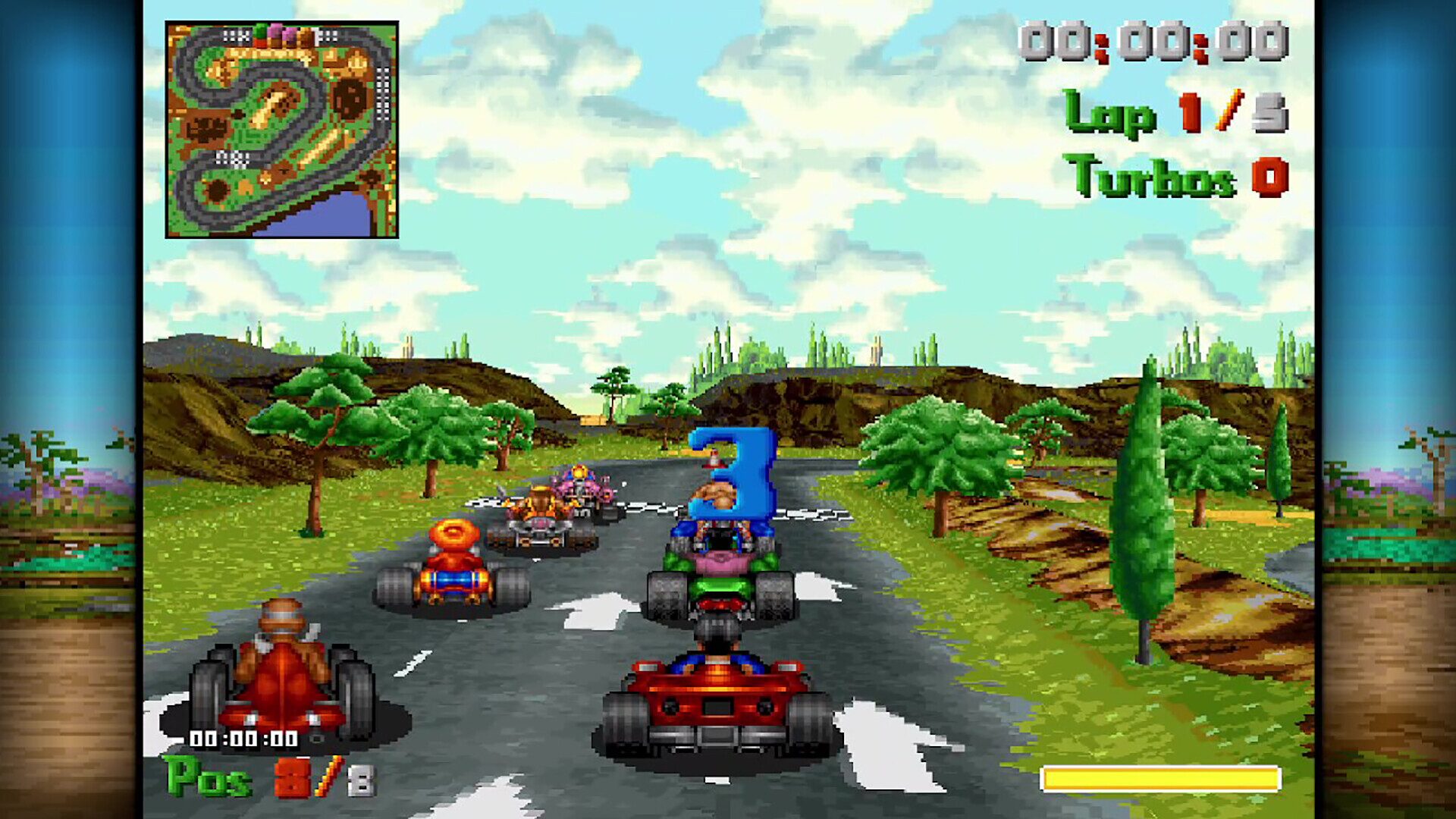
You can choose from eight contestants, each with their own car and driving characteristics. Some are nimble and grippy, others are heavier and faster but harder to control. Each driver is also associated with a specific track set somewhere around the world, ranging from dense cityscapes to African plains and the beaches of Australia.
Learning curve and track design
These handling differences have a major impact on how the game plays across all ports. There are well-balanced cars, such as Helmut’s Silver Arrow-style oldtimer or Surf’s buggy, while Frank’s and Suzulu’s cars take much more time to master. They struggle especially on narrower tracks packed with obstacles. Early on, you will almost certainly get stuck between garbage cans, pylons, lamp posts and all sorts of other clutter.
It takes time to get comfortable with the steering model and to learn both track layouts and car behaviour, far more so than in something like Super Mario Kart. Even the earliest Mario Kart games are much more pick-up-and-play. Street Racer feels actively hostile at times. Track surfaces also seem to affect handling, which only adds to the learning curve.
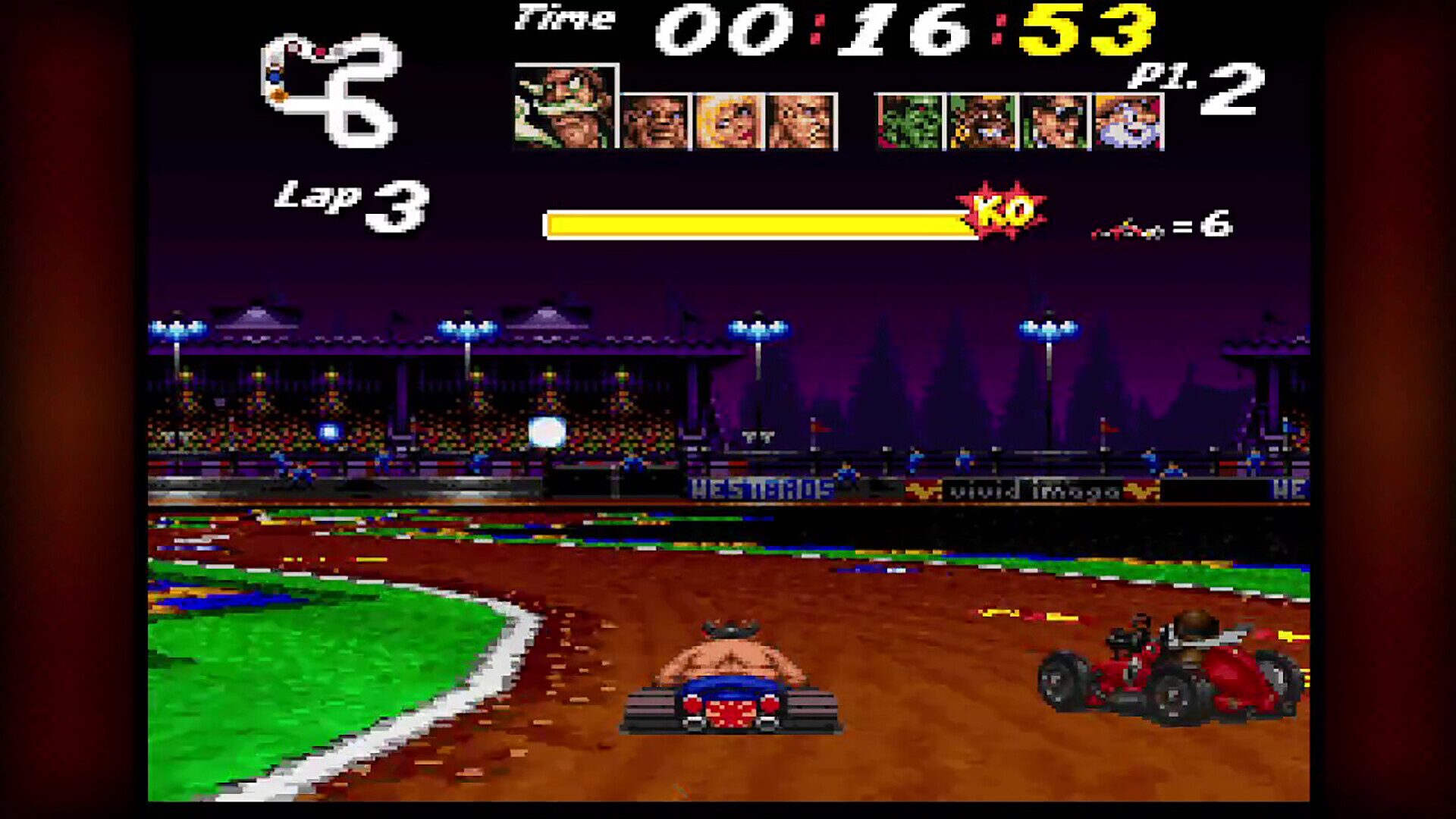
Some tracks are simply frustrating. Ralph’s Big City circuit is one I genuinely dislike. It is slippery, filled with long corners and just manageable on its own until the AI opponents start interfering by punching you or ramming you into obstacles.
Championship structure and AI balance
Thankfully, winning a championship does not require finishing first or second in every race. The game also awards points for fastest laps, stars collected and for dealing the most damage to other drivers. Compared to other kart racers, a relatively large portion of the AI field remains competitive throughout the championship.
Points tend to be spread across the grid, allowing you to finish fourth or fifth occasionally without immediately dropping out of contention. By the fifth round, the top of the leaderboard often becomes very tight, which adds a welcome sense of tension.
Port-specific strengths and weaknesses
This structure applies to all versions, though there are some notable differences. The PC version feels harder than the SNES release, largely due to the density of obstacles that constantly disrupt your rhythm. Getting nudged into a trash can will cost you both time and track position.
On SNES, the Mode 7 surface represents obstacles as flat textures, which makes them surprisingly hard to read. A rock on the road might just look like part of the track until it brings your car to a dead stop. It takes real adjustment to deal with this. Conceptually, however, the PC and SNES versions are very similar in how their rotating tracks work, and they stand out as the strongest ports in the collection.
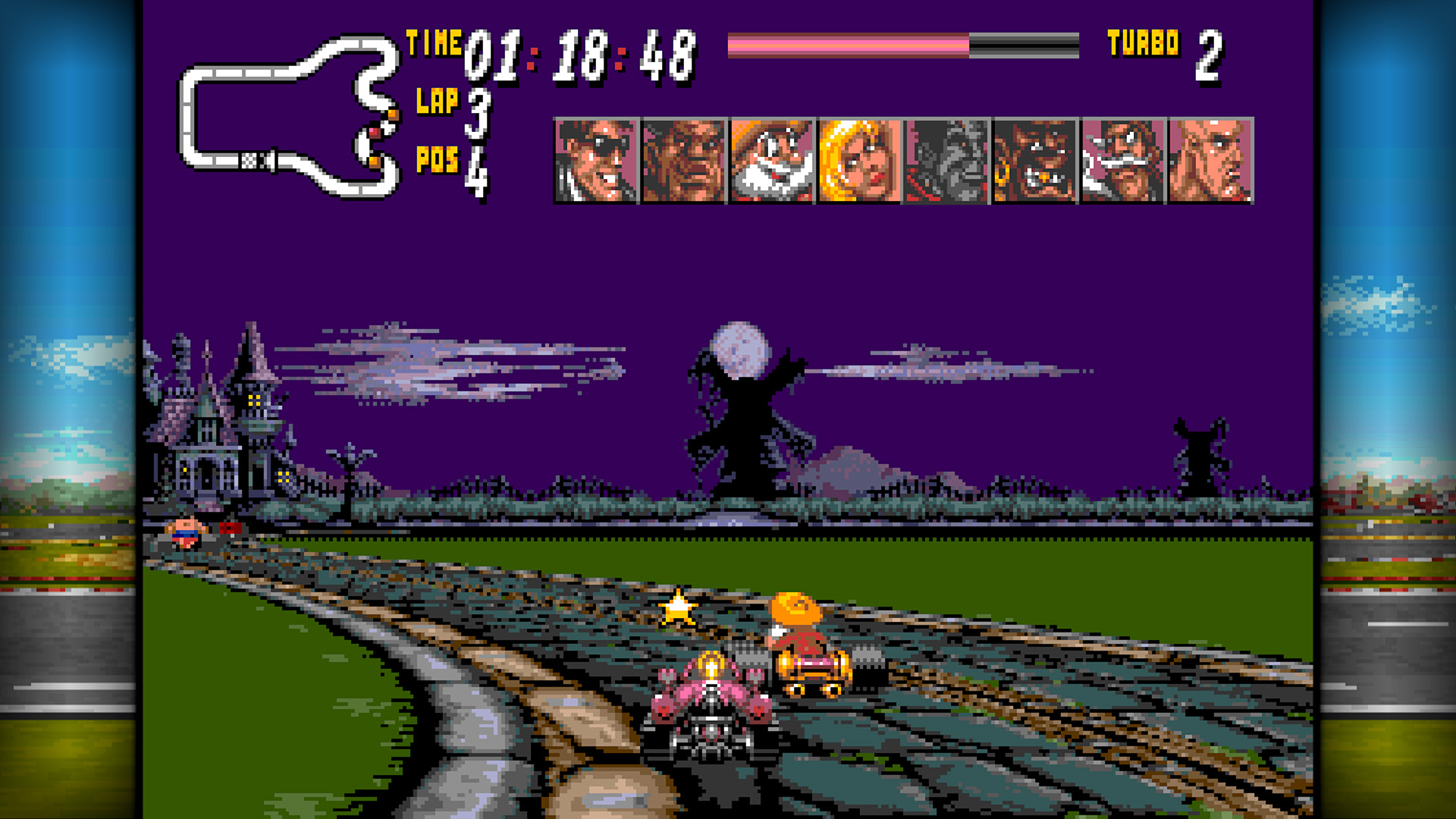
The Mega Drive/Genesis version, lacking Mode 7, falls back on a more traditional arcade racing style reminiscent of games like Monaco GP, Out Run, Lotus Turbo Challenge and Top Gear. This leads to wider tracks, longer corners and more room to pass. In the process, it loses some of the claustrophobic charm found in the PC and SNES versions.
On its own merits it is still a decent racer, but I do question the decision to make all obstacles and item icons so small. Bombs are barely distinguishable from the much more desirable star pickups. I lost count of how many times I blew myself up while thinking I had collected another star.
The Game Boy curiosity
The real black sheep of the collection is the Game Boy version. While it follows the Mega Drive design rather than the SNES one, the limitations of the hardware are hard to ignore. I still cannot decide whether to admire the effort that went into including all characters, items and tracks, or to resent it for turning the game into an almost unreadable mess.
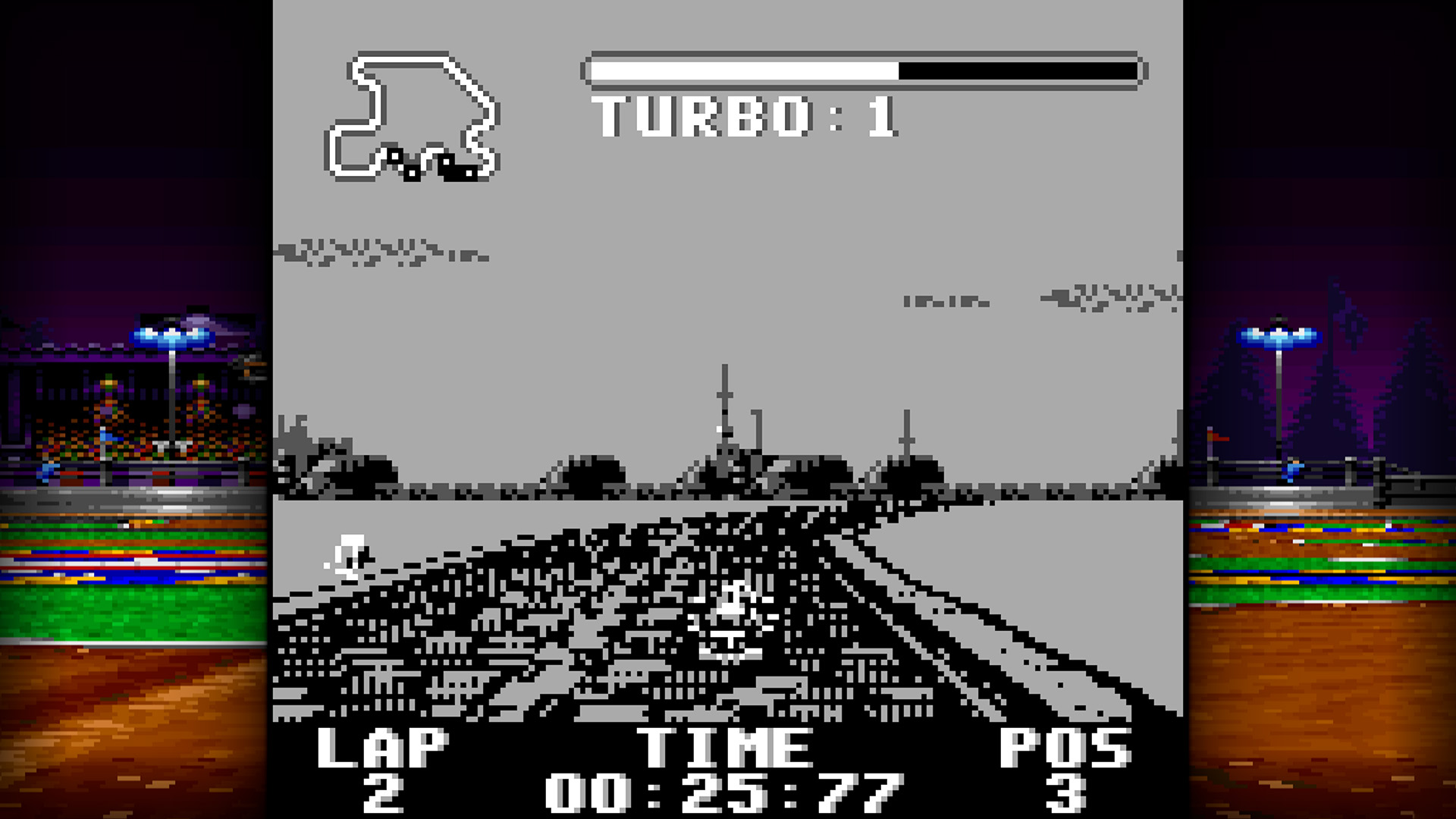
Each track uses its own texture pattern, which results in large portions of the screen becoming a two-colour pixel soup. Most of the time you only recognise another car because a few pixels start moving as you steer. As a curiosity, it is worth booting up once. Beyond that, it is best avoided.
Emulation and presentation
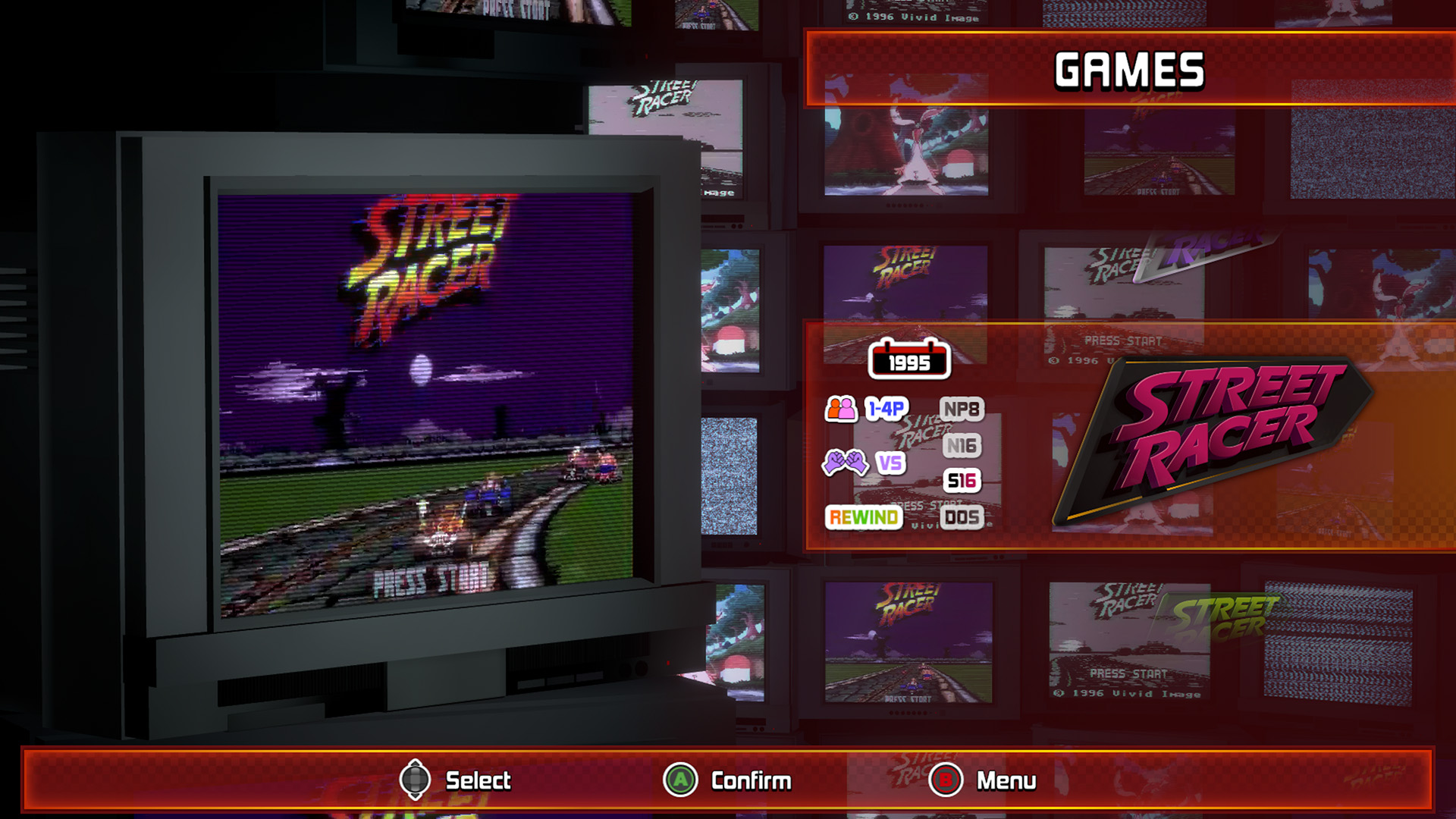
QUByte packages these games in its familiar “Classics” interface, complete with standard emulation features and save and load functionality. This is particularly useful, as most versions require you to unlock additional cups over time.
The emulation quality is not entirely consistent, though. The SNES version in particular struggles, rarely maintaining anything close to a stable 60 frames per second. The frame rate drops noticeably every time you drift through a corner, which happens frequently. The other versions appear to run without major issues.
Fundamentally decent
I do wonder how appealing this collection is to players without any nostalgic attachment, as it presents itself as a fairly standard kart racer at first glance. That said, when I replayed the SNES version eight years ago for a gameplay video, I found myself getting unexpectedly invested again.
Booting up this collection had a similar effect and kept me playing far longer than anticipated. If you are willing to spend an hour or so learning the cars and getting to grips with the somewhat unforgiving controls, you may discover a fundamentally solid and enjoyable racing game, even if it comes with a fair number of rough edges.
QUByte has put together four very different ports of a cult arcade kart racer that, in some versions more than others, have stood the test of time. With its more involved controls and car mannerisms, it takes a fair amount of investment to get into, but that effort is rewarded with tight and engaging racing, albeit when compared to other racing games of the time. This holds true across all ports, even the almost eye-straining and barely watchable Game Boy version.
