

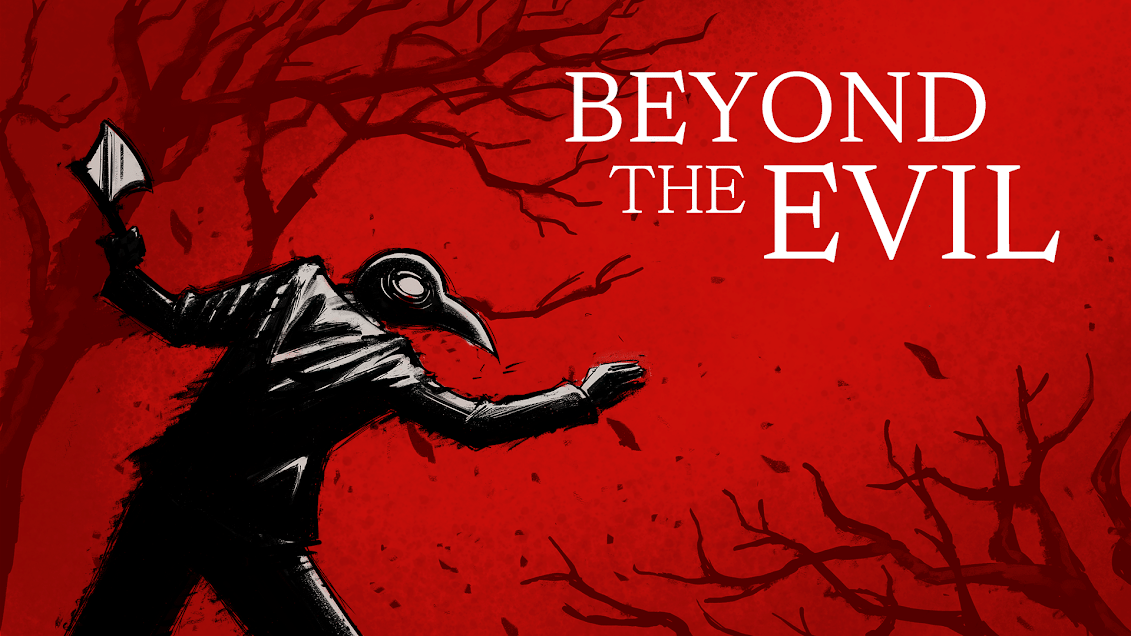

Fear is an emotional response to a perceived threat, whether it occurs in real life or in a video game. Both can trigger genuine physiological changes, such as an increased heart rate, rapid breathing and heightened alertness.
It’s something I have a love-hate relationship with when it comes to gaming. As much as I enjoy playing horror games, I despise them as well. The constant feeling of being watched, crawling through a particular area knowing that a jump scare could happen at any moment. I just hate it, and yet… I keep coming back for more.
In recent years, I have played several games that have played psychological tricks on me. Games like Layers of Fear, Outlast, and Hellblade: Senua’s Sacrifice have made me question my own sanity, while gorier games like Dead Space and The Callisto Protocol have left me wondering why I keep doing this to myself. But I just love the experience, the thrill, and sometimes the over-the-top gore these games have to offer. Beyond the Evil is a psychological horror game that can best be described as a story-driven puzzle game and walking simulator. And is developed by Brazilian indie developer Blackhawk Games.
Murder mystery
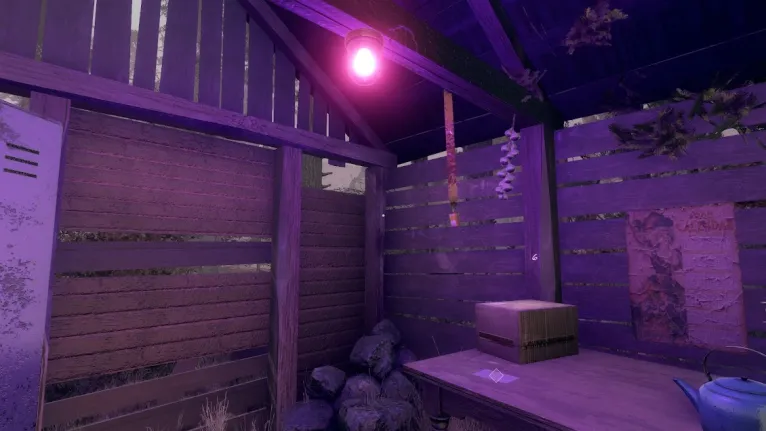
In Beyond the Evil, you play as Gary Nephew, a detective who wakes up at his desk after a hard day’s work. After getting some rest, he wakes up and, before he knows it, receives a strange phone call. Curious about what it is all about, Gary decides to head out and find out who made the mysterious call. After tracing it, he ends up at a cottage. Shortly after arriving, he discovers a dead body, and before he knows it, he is caught up in a murder investigation that leads him to uncover a strange laboratory experiment that could threaten humanity itself.
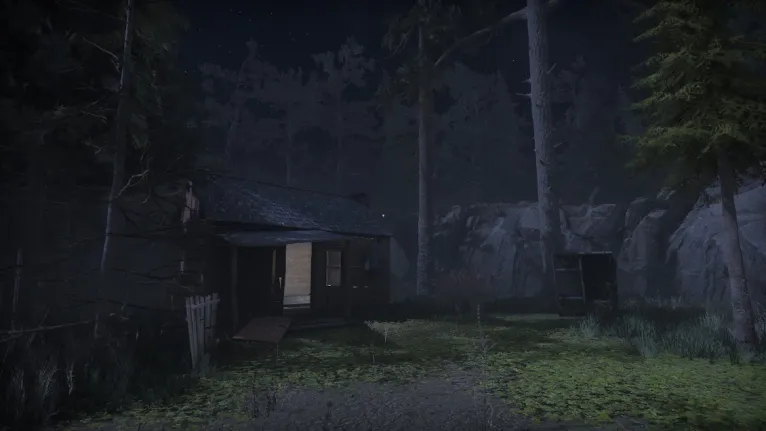
The story unfolds quite nicely, and although the game is rather short, the journey you take and the plot twist you encounter towards the end are not bad at all. It’s just that the game never really gave me the same feeling that other games in this genre do. I never felt scared or uneasy throughout my journey, at least not until the end, when I had to play a game of hide-and-seek with the killer while trying to crack a safe combination. I would have loved to see a few jump scares along the way to remind me that I was playing a horror game. Instead, the game felt more like a detective murder mystery than a creepy psychological horror experience.
Less is more
The music also left me with some questions. Although it sounded quite eerie at certain moments, it often felt as if the developer wasn’t entirely sure where to place the soundtrack. Some scenes could have benefited from a more carefully chosen musical score, while others felt as though the music had simply been thrown in without much thought.
Gary and the other characters are all voiced, and even though the voice acting is far from bad, it feels rather stale. The dialogue itself is often questionable as well. I’m not someone who is easily offended by strong language, but throughout this game, the excessive use of the F-word became rather annoying. The game could easily have done without all the swearing.
Cracking the code
Throughout your journey, you have to search for keys that unlock new areas to explore. The puzzles you encounter in some of these areas provide a nice change of pace from the usual key-hunting. From figuring out number combinations for locks to flipping switches in the correct order or solving a sliding puzzle, there is some variety to be found. However, in the end, it all still felt a bit underwhelming.
Many of the puzzles ultimately boil down to finding the right combination for a numbered lock or locating a key. I would have loved to see a greater variety of puzzles to really make me scratch my head, especially since some of them are cleverly woven into the surroundings. There is definitely room for more creative puzzle design here.
Weird textures
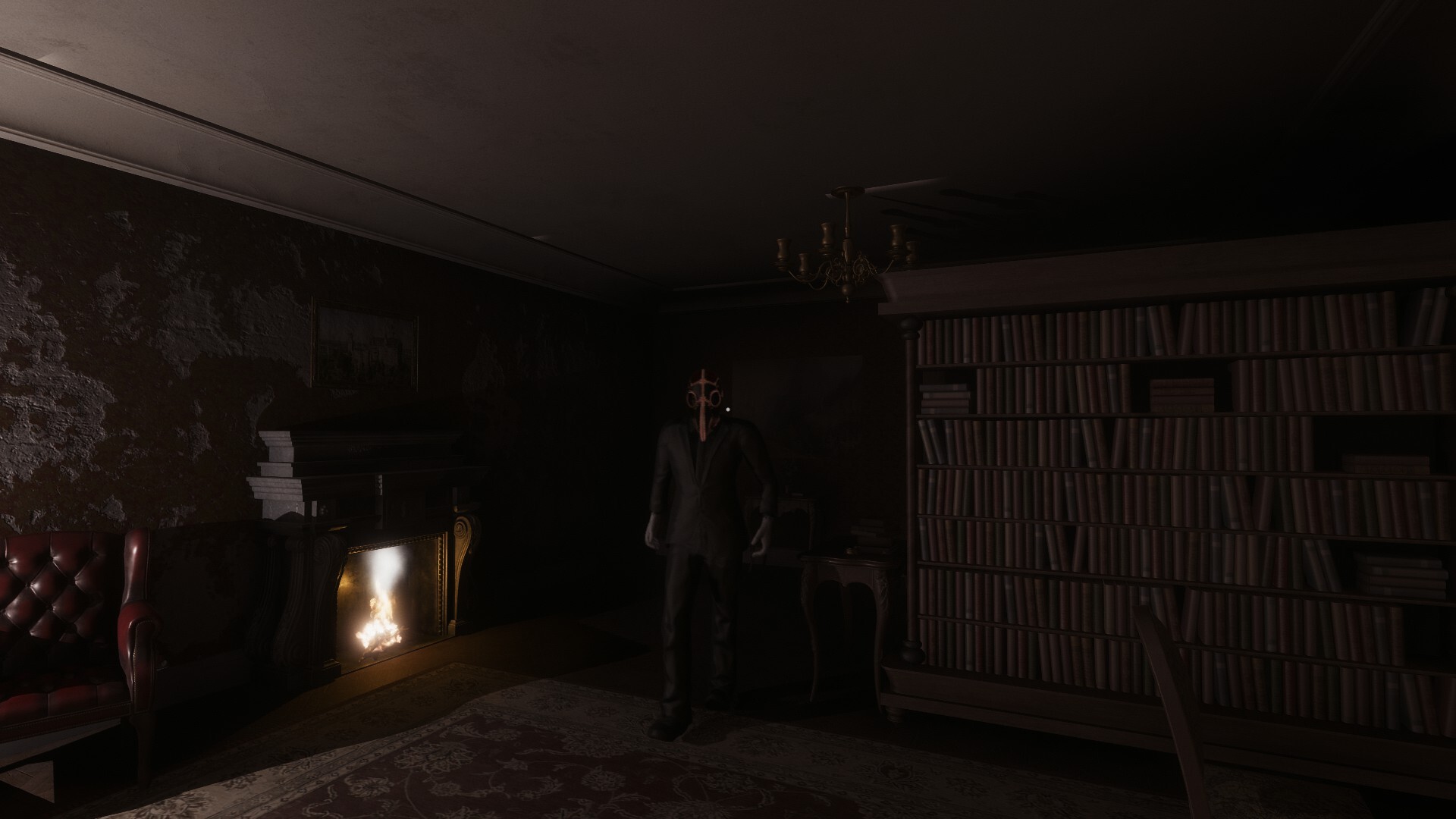
From small, abandoned houses in the woods to a large mansion and gas stations, each area has some nice touches in its surroundings. It’s a shame that some of the graphics look rather strange. On several occasions, textures reflected light in places where they shouldn’t, such as on tree trunks. Not only were some surfaces unusually shiny, but certain objects also looked as though they were missing textures altogether.
Large black rocks appeared far more often than they should have. I think this might have something to do with the lighting, something that could hopefully be addressed in future patches. While these graphical issues did not completely ruin my experience, they certainly took away some of the atmosphere the developer was trying to create.
It could have been more
Beyond the Evil is not a bad game at heart, but some questionable design choices make it feel rather mediocre. The story is okay, but nothing more than that, and the puzzles are well-designed but could have benefited from more variety. The graphics are decent for the most part, although the few graphical issues I encountered could easily be fixed with a patch. I have certainly seen far worse, but these problems still detract from the overall experience.
If you enjoy this kind of game, you can certainly give it a shot. At just €12, you can get around two to three hours of gameplay out of it. Just don’t expect a particularly frightening horror experience or anything that will blow your mind. Beyond the Evil is a decent little detective adventure, but it could have been so much more.
